{{ cs.headline }}
{{ cs.outcome }}
{{ cs.readLabel }}
{{ t.portfolioSub }}
{{ p.desc }}
{{ cs.outcomeIntro }}
{{ cs.outcomeNote }}
{{ cs.challenge }}
{{ gt.t4 }}
{{ c.desc }}
{{ gt.t5 }}
{{ cs.context }}
{{ gt.t16 }}
{{ gt.t19 }}
{{ gt.t20 }}
{{ gt.t39 }}
{{ gt.t51 }}
{{ gt.t53 }}
{{ gt.t55 }}
{{ gt.t57 }}
{{ gt.t58 }}{{ gt.t61 }}
{{ cs.visualBody }}
{{ cs.buildingBlocks }}
{{ cs.paletteBody }}
{{ gt.t81 }}
{{ cs.illustrationBody }}
{{ cs.outcome }}
{{ t.csComingSoon }}
{{ gt.d7 }}
{{ cs.dolceContext }}
{{ gt.d9 }}
{{ gt.d10 }} {{ gt.d11 }}
{{ gt.d18 }}
{{ gt.d21 }}
{{ gt.d22 }}
{{ gt.d24 }}
{{ gt.d26 }}
{{ gt.d58 }}
{{ gt.d59 }}
{{ gt.d61 }}
{{ gt.d62 }}
{{ gt.d63 }}
{{ gt.d66 }}
{{ gt.d67 }}
{{ gt.d68 }}
{{ gt.d70 }}
{{ gt.d71 }}
{{ gt.d74 }}
{{ gt.d75 }}
{{ gt.d78 }}
{{ gt.d79 }}
{{ gt.d80 }}
{{ gt.d83 }}
{{ gt.d84 }}
{{ gt.d85 }}
{{ gt.d87 }}
{{ gt.d88 }}
{{ gt.d89 }}
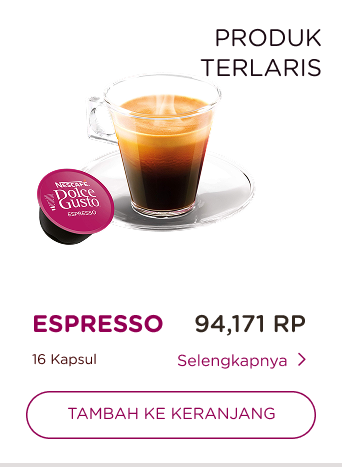
{{ gt.d96 }}
{{ gt.d97 }}
{{ gt.d98 }}
{{ gt.d102 }}
{{ gt.d105 }}
{{ gt.d107 }}
{{ gt.s5 }}
{{ gt.s6 }}
{{ gt.s8 }}
{{ gt.s19 }} {{ gt.s20 }}
{{ gt.s22 }}
{{ gt.s24 }}
{{ gt.s26 }}
{{ gt.s27 }}
{{ gt.s29 }}
{{ gt.s30 }}
{{ gt.s33 }}
{{ gt.s34 }}
{{ gt.s41 }}
{{ gt.s42 }}
{{ gt.s56 }}
{{ gt.s57 }}


{{ gt.s63 }}
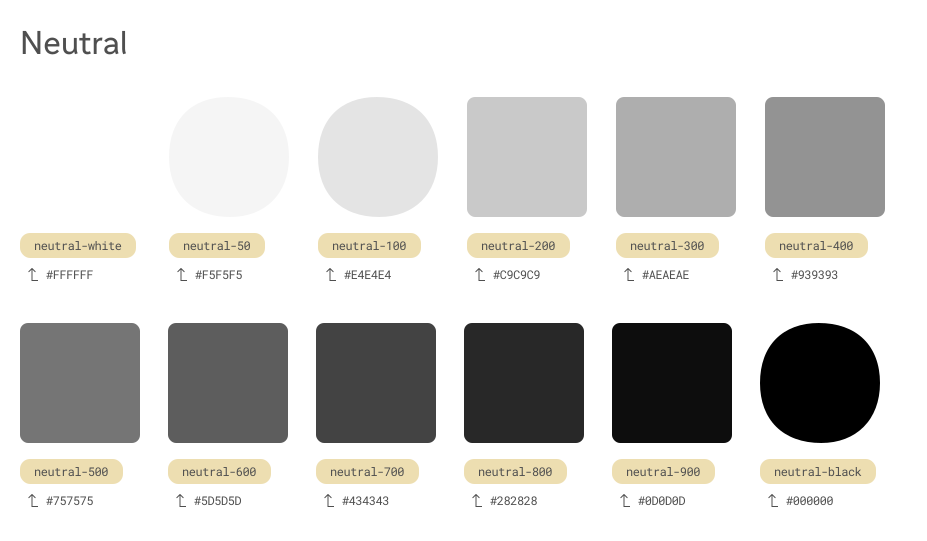
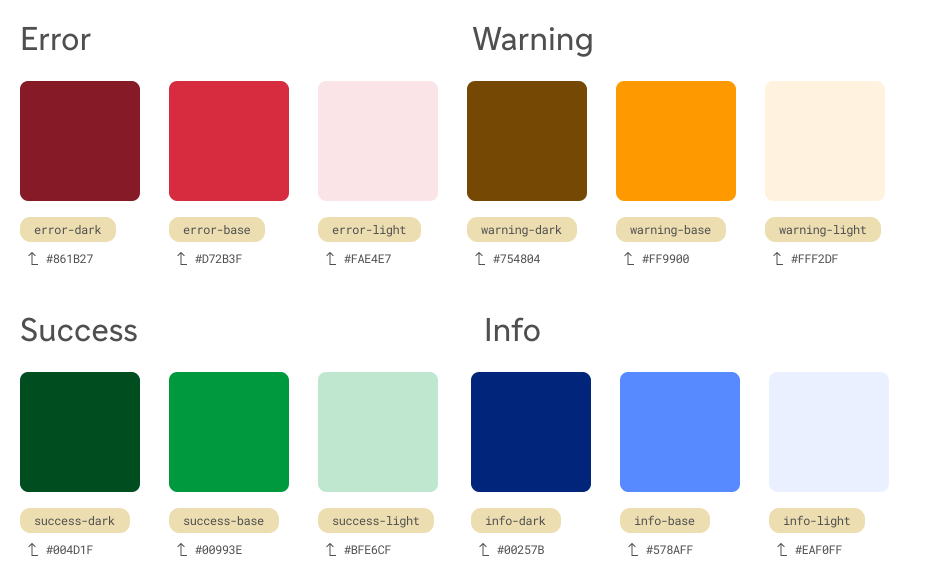
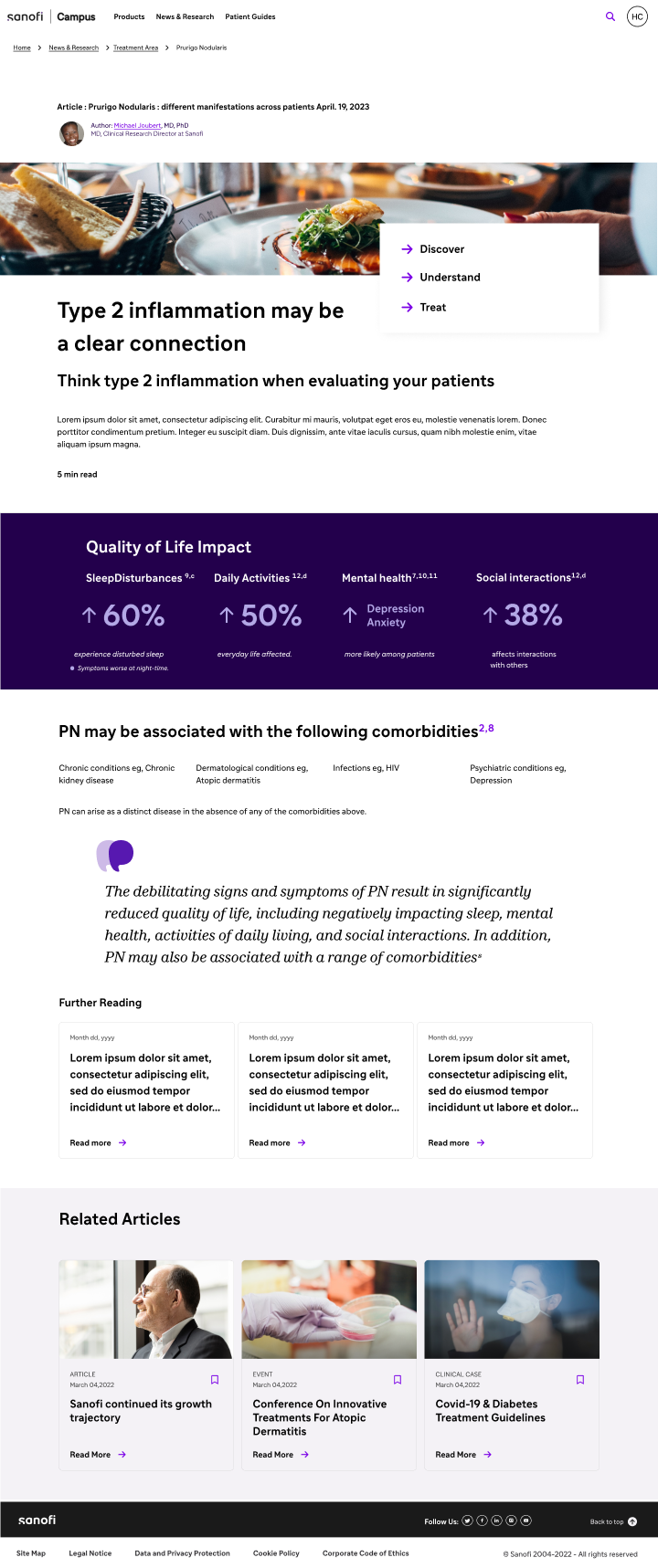
{{ gt.s71 }}
{{ gt.s83 }}
{{ gt.s85 }}
{{ gt.s86 }}
{{ gt.s87 }}
{{ gt.s118 }}
Neurodivergent professionals can be triggered by their work environment, affecting performance and causing distress. This prototype explores how to help them address overwhelm immediately, and later to process and develop skills to manage their work lifes.
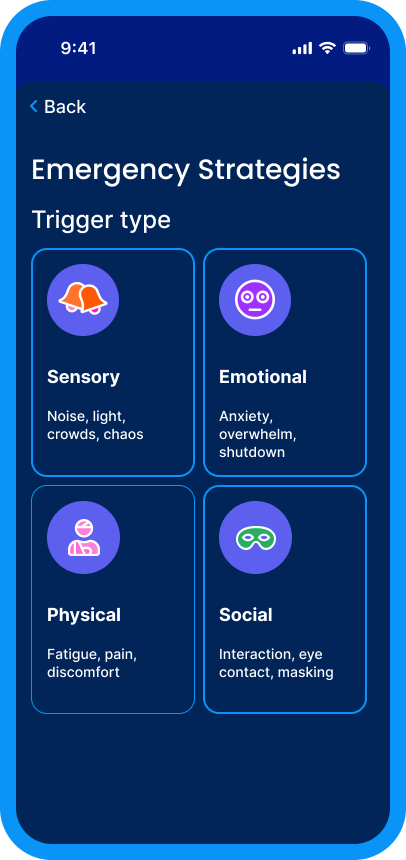
Marcus is mid-shift. A multi-vehicle incident: sirens, shouting, bystanders crowding in. He feels the familiar signs: narrowing focus, rising irritability, the edge of shutdown. He has maybe 30 seconds before it gets harder to think clearly.
Received an autism diagnosis six months ago, something that finally explained why certain shifts left him completely depleted.
I used Claude Design and Claude Code to explore the concept and usefulness of providing immediate and contextual support when users most needed it.
This fully coded prototype is best viewed in a new tab from your computer.
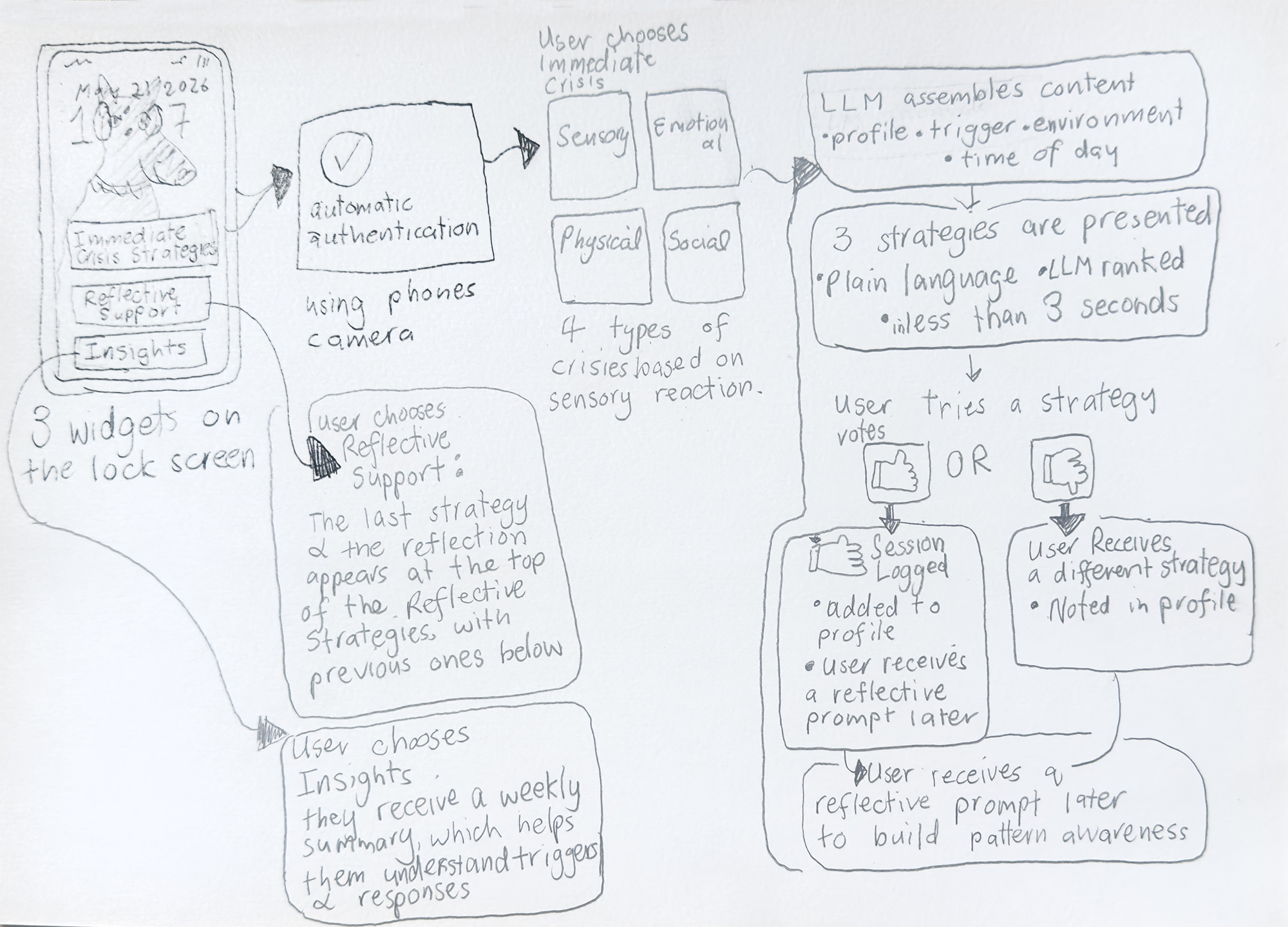
Each response is stored to his account. Over time the LLM builds a realistic picture of what helps him: based on how he responds in real moments, under real stress.
Marcus's profile builds passively, so he never has to think about the system, but it's there when he needs it.
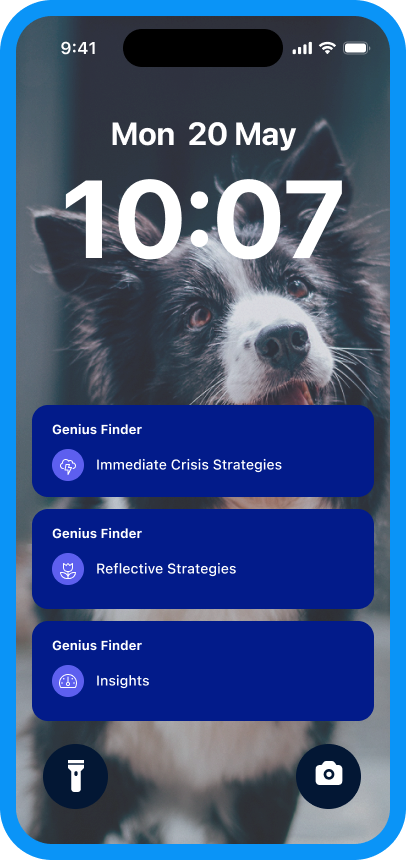
A couple of hours after the crisis event, Marcus gets a push notification to check in. He can add more context so the LLM learns about him, then receives reflective strategies to help him process and improve his performance after the fact.
With the weekly dashboard, Marcus gains knowledge about his triggers and see his progression over time, and learn to manage his autism.
Over time, Marcus gains in-depth knowledge about his triggers and how to manage them in his professional life.
Not yet in production, but it expanded leadership's thinking on the product's potential and built trust to explore ideas fast.

 In English
 En Français